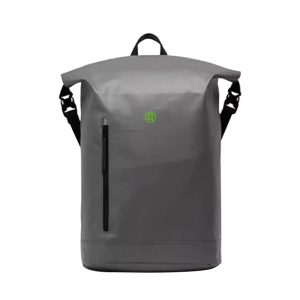
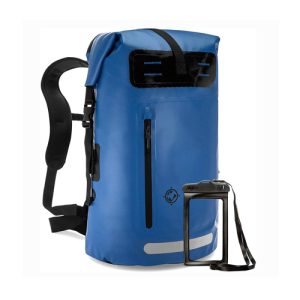
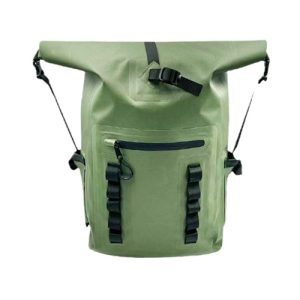
What Are GOT BAG Waterproof Backpacks’ Fabrics?
It is made from recycled ocean plastic fabrics
What Are GOT BAG Waterproof Backpacks’ Fabrics?
It is made from recycled ocean plastic fabrics
If you’re exploring sustainable backpacks, you’ve likely come across GOT BAG, a German startup with the world’s first backpacks made from recycled ocean plastic. How do they balance sustainability with functionality? We’ll dive into the materials behind GOT BAG’s innovative designs and explain their unique fabric composition.

The GOT BAG Mission: Sustainability Meets Functionality
GOT BAG. Founded in 2016 by Benjamin Mandos, a surfer passionate about ocean conservation, GOT BAG Set out to tackle plastic pollution by transforming ocean waste into high-quality backpacks and accessories. Their mission: clean up our oceans while creating durable, stylish products for conscious travelers. For every backpack, GOT BAG collects up to 7.7 pounds of ocean plastic through their clean-up program in Indonesia, partnering with local fishermen and communities.
The commitment to products is not only reflected in sustainability, the functionality woven into the very fabrics of their products. GOT BAG’s backpacks, like the iconic RollTop and Pro Pack, are designed to be 100% waterproof, lightweight, and durable.
Deep Breaking Down GOT BAG’s Waterproof Fabrics
GOT BAG’s backpacks are crafted with a focus on sustainability, performance, and style. The primary material in their waterproof fabrics is recycled Ocean Impact Plastic, but the construction involves a thoughtful combination of materials to ensure durability and functionality. Here’s a closer look at the key components:
1. Recycled Ocean Impact Plastic (RPET)
What It Is: The star of GOT BAG’s fabrics is recycled polyethylene terephthalate (RPET), derived from plastic waste collected from oceans and coastal areas in Indonesia. This plastic, often PET bottles and other debris, is cleaned, sorted, shredded into flakes, and melted into pellets. These pellets are then extruded into fibers and spun into high-performance 600D polyester yarn, which forms the backbone of GOT BAG’s fabrics.
By using Ocean Impact Plastic, GOT BAG prevents up to 7.7 pounds of plastic per backpack from polluting our oceans. The resulting 600D rPET fabric is robust, lightweight, and water-repellent, offering a rugged texture similar to a boat cover. It’s not the softest material, but its durability makes it perfect for daily use and harsh conditions. The fabric is composed of approximately 59% Ocean Impact Plastic, with 17% other recycled materials (like recycled PET linings and webbings) and 24% non-recycled materials (mostly hardware like buckles and zippers). This high recycled content sets GOT BAG apart from brands that rely on virgin plastics.
2. TPU and BIO-PU Coatings
GOT BAG enhances its RPET fabric with a Thermoplastic Polyurethane (TPU) coating on the interior and a BIO-PU coating on the exterior, is a more eco-friendly alternative. without relying on harmful chemicals like PFC (perfluorocarbons) or PVC (polyvinyl chloride), which are common in traditional waterproof fabrics but are damaging to the environment. The BIO-PU coating, in particular, aligns with GOT BAG’s sustainability ethos. These coatings make the backpacks 100% waterproof, ensuring your belongings stay dry even in heavy rain or splashes.
3. Recycled Hardware and Components
Beyond the main fabric, GOT BAG incorporates recycled materials into other components, such as recycled PET linings, recycled nylon zippers (YKK brand), and recycled PET webbings for straps. Buckles are made from POM (polyoxymethylene), a durable plastic, and some models use Duraflex hardware. minimizes its reliance on virgin resources, further reducing its environmental footprint. The use of high-quality YKK zippers and Duraflex buckles ensures durability, though some users note that the rolltop’s buckle can loosen if not packed tightly.
These components contribute to the backpack’s overall recycled content, with models like the Hip Bag reaching up to 71% recycled materials, one of the highest in GOT BAG’s lineup.
How GOT BAG’s Fabrics Are Made
The journey from ocean plastic to waterproof backpack is a remarkable feat of sustainable engineering. Here’s a quick overview of the process:
Collection: GOT BAG partners with over 2,000 fishermen in Demak, Indonesia, who collect plastic as bycatch while fishing. This plastic, ranging from 1.5 to 5 kg per product, is gathered from oceans and coastal areas.
Processing: The collected plastic is cleaned, sorted, and processed into flakes, then melted into pellets. These pellets are transformed into high-performance yarn at facilities like those partnered with SEAQUAL, a key collaborator in GOT BAG’s supply chain.
Fabric Production: The yarn is woven into 600D rPET fabric, coated with TPU and BIO-PU for waterproofing, and paired with recycled linings, zippers, and webbings to create the final product.
Quality Assurance: GOT BAG conducts Life Cycle Assessments (LCAs) to measure the environmental impact of its products, ensuring transparency and continuous improvement in its sustainability practices.
This process not only cleans up oceans but also creates jobs and raises environmental awareness in local communities, making GOT BAG a leader in circular manufacturing.
We Can Help Your Company
Inspired by GOT BAG’s approach? Do you also need to find sustainable fabrics for your brand’s waterproof backpacks? Evaluate the environmental impact of your materials, as GOT BAG does, to ensure your products align with sustainability goals.
At Source Find China, we specialize in connecting businesses with eco-friendly suppliers in China, ensuring quality, transparency, and sustainability at every step. Contact us today to explore sustainable sourcing solutions tailored to your brand!
The data and images in the article are collected from the internet; please contact us for removal if there is any infringement.