Best 8 Commonly Used Sustainable Fabrics For Eco-Friendly Apparel
Best 8 Commonly Used Sustainable Fabrics For Eco-Friendly Apparel
Recycled Polyester (RPET), Recycled Nylon, Organic Cotton, Organic Linen, Organic Hemp, Tencel (Lyocell), PLA (Polylactic Acid) Fabric, and Bamboo Fiber are the 8 commonly used sustainable fabrics for eco-friendly apparel
The textile industry accounts for 10% of global carbon emissions. By choosing eco-friendly fabrics for apparel, we can greatly reduce environmental impact and contribute to a healthier planet. Below, we introduce the most commonly used sustainable fabrics for apparel.
1. Recycled Fabric

Recycled Polyester (RPET):
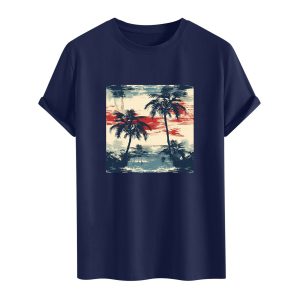
RPET is made from recycled plastic bottles, serving as an eco-friendly alternative to conventional polyester. It helps reduce plastic waste and is widely used for custom T-shirts, sweatshirts, and activewear. Additionally, it is a sustainable choice for bags and accessories.
Recycled Nylon:
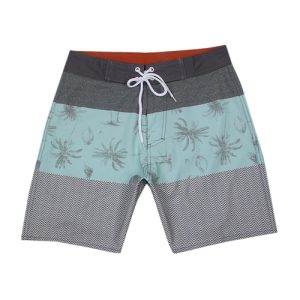
Similar to RPET, recycled nylon is derived from discarded nylon products, such as old fishing nets and fabric scraps. Because of its strength and flexibility, it is commonly used for board shorts, bags, hats, workout wear, and swimwear.
2. Organic Farming Materials

Organic Cotton:
Organic cotton is grown without synthetic pesticides or fertilizers and requires less water, therefore promoting healthier soil. It is an excellent choice for intimate clothing, including custom T-shirts, hoodies, casual wear, socks, and underwear.
Organic Linen:
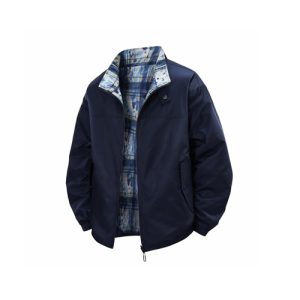
Organic linen is a natural fiber known for its durability and breathability. Compared to cotton, it requires less water and fewer pesticides to grow. This makes it an ideal fabric for summer shirts, dresses, shorts, and lightweight jackets.
Organic Hemp:
Organic hemp is one of the most sustainable fibers, requiring little water and no pesticides to grow, and it is biodegradable. Hemp is perfect for custom eco-friendly casual clothing, such as T-shirts, shirts, casual pants, jeans, skirts, hats, and work clothes.
3. Bio-Plant Fabric

Bio-based fabrics like Tencel, PLA, and Bamboo Fiber are made from renewable plant resources, which makes them biodegradable. They are ideal for clothing, footwear, and home textiles.
Tencel (Lyocell):
Made from sustainably sourced wood pulp (usually from eucalyptus trees), Tencel is biodegradable and produced through a closed-loop process that minimizes chemical waste. It’s soft, breathable, and, therefore is ideal for clothing like shirts, dresses, and bed linens.
PLA (Polylactic Acid) Fabric:
Made from fermented plant starch, typically corn, PLA is biodegradable and can be composted after use. It is commonly used for clothing, medical textiles, and packaging.
Bamboo Fiber:
Bamboo fiber is derived from the fast-growing bamboo plant, which requires no pesticides. It is naturally antimicrobial and biodegradable, making it a great choice for activewear, underwear, socks, sports bras, and t-shirts, with moisture-wicking and anti-odor properties.
However, to enhance the overall performance of products, many brands appear to opt for blended fabrics. For example:
·Board shorts may combine cocotex + organic cotton + recycled polyester + UPF protection.
·Yoga clothes & swimsuits often use recycled nylon & recycled spandex blend.
·Sweatshirts may incorporate recycled bottles with organic or recycled cotton blend.
While these fabrics may sound similar, the specific blend of materials varies greatly depending on the needs of feeling and functionality. Single-material fabrics are easy to find in stock, but blended fabrics are still rare in the market.
If you’d like to get a suitable fabric for your product, feel free to contact us for a one-stop sustainable solution and sourcing.