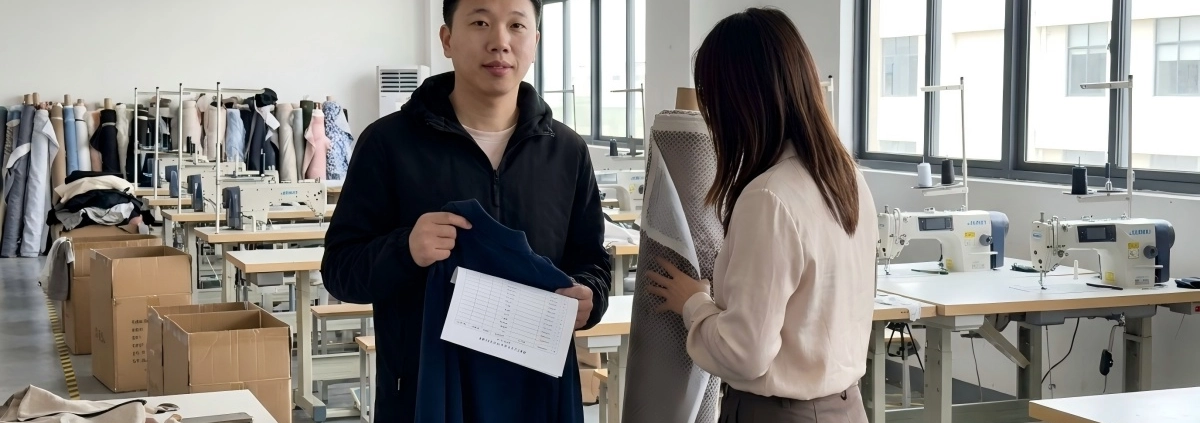


Apparel sourcing in China does not always need to start with a complete tech pack. A reference photo, your artwork and your brand logo can be enough to begin the discussion.
The next step is turning those ideas into suitable fabrics, clear measurements, production-ready details and finished products.
Source Find China (SFC) helps brands through this process. You provide the direction and approve key decisions. SFC coordinates materials, suppliers, sampling and production communication. If you want to use organic cotton or recycled materials, we can include these requirements from the start.
1. Share Your Product Direction. SFC Helps Develop the Details
To start, you can share:
- Design drawings, reference photos or a sample garment;
- Your print artwork and brand logo;
- Estimated quantities, budget and timeline;
- Material preferences, including organic cotton or recycled materials.
If you do not have a complete tech pack or all the exact measurements, we can start with the information available.
SFC uses your references and the supplier’s development experience to help define fabrics, measurements, artwork and construction details. Samples then help you check the actual result.
Measurements should reflect your target market and intended fit. There is no single “European and American size chart” that suits every brand.
You focus on the product direction, fit and feedback. SFC handles the detailed communication with the factory.
2. Choose Materials Alongside Quantity and Budget
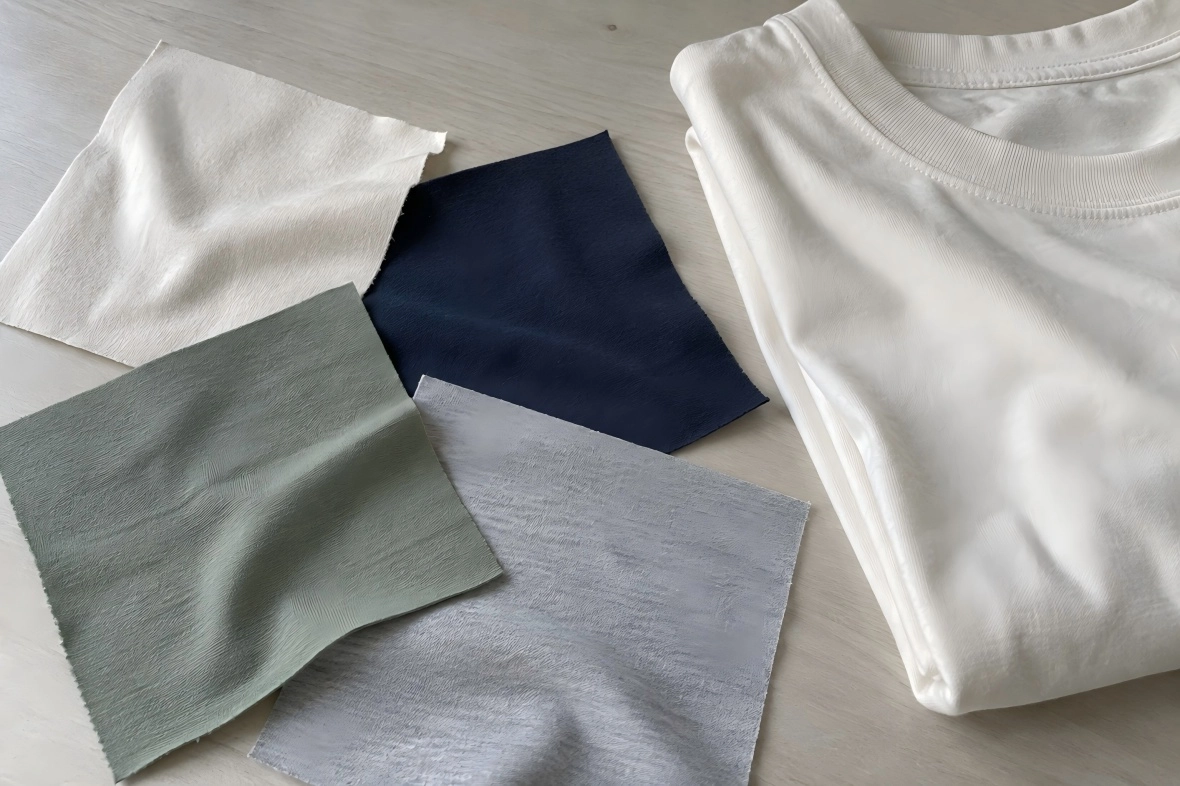
Fabric affects appearance, comfort, price, minimum order quantity (MOQ) and production timing.
For organic cotton tops, this may mean comparing fabric weight, feel, colour and performance after washing. For swimwear or beach shorts made with recycled polyester blends, the composition and performance need to suit the product’s use.
SFC coordinates fabric swatches and supplier information to help you compare:
| What to Compare | What to Check |
|---|---|
| Suitability for the product | Fibre composition, fabric weight, feel and required performance |
| Sourcing conditions | Available colours, MOQ, price and lead time |
| Material documentation | Whether the available documents meet the project’s requirements and what they cover |
SFC’s projects have involved GOTS documentation for organic cotton and GRS documentation for recycled materials. During sourcing, the documents still need to be checked for the organisation, materials or products they cover.
Small orders also need a workable material supply. When a selected fabric has a minimum order requirement, SFC uses its supplier network to look for suitable options for the brand to approve.
3. Match Suppliers and Clarify What the Quotation Includes
The right supplier depends on the product, construction and order requirements.
T-shirts, sweatshirts, swimwear and hats do not all require the same production experience. SFC coordinates suppliers around the project and compares materials, workmanship, quantities and timing together.
The quotation should clearly cover fabric specifications, colour quantities, printing or embroidery, labels and packaging. It should also state whether sampling, testing and shipping costs are included or charged separately.
This helps you compare workable proposals, rather than unit prices alone.
If materials, quantities or production details need to change, SFC explains the effect on cost and timing so you can decide how to proceed.
For more on supplier selection, read our guide to finding a reliable clothing manufacturer in China.
4. Use Samples to Confirm the Product
Samples help confirm whether the fit, measurements, fabric, artwork and workmanship meet your expectations.
SFC communicates development requirements to suppliers, follows up on samples and organises your feedback. If the artwork cannot be used directly for production, we also help resolve the file issues.
When you receive the samples, you focus on fit, appearance and any changes needed. SFC turns your feedback into clear instructions for the supplier.
Before bulk production, the approved sample details, measurements, materials, artwork, labels and packaging are brought together so the factory works from the correct version.
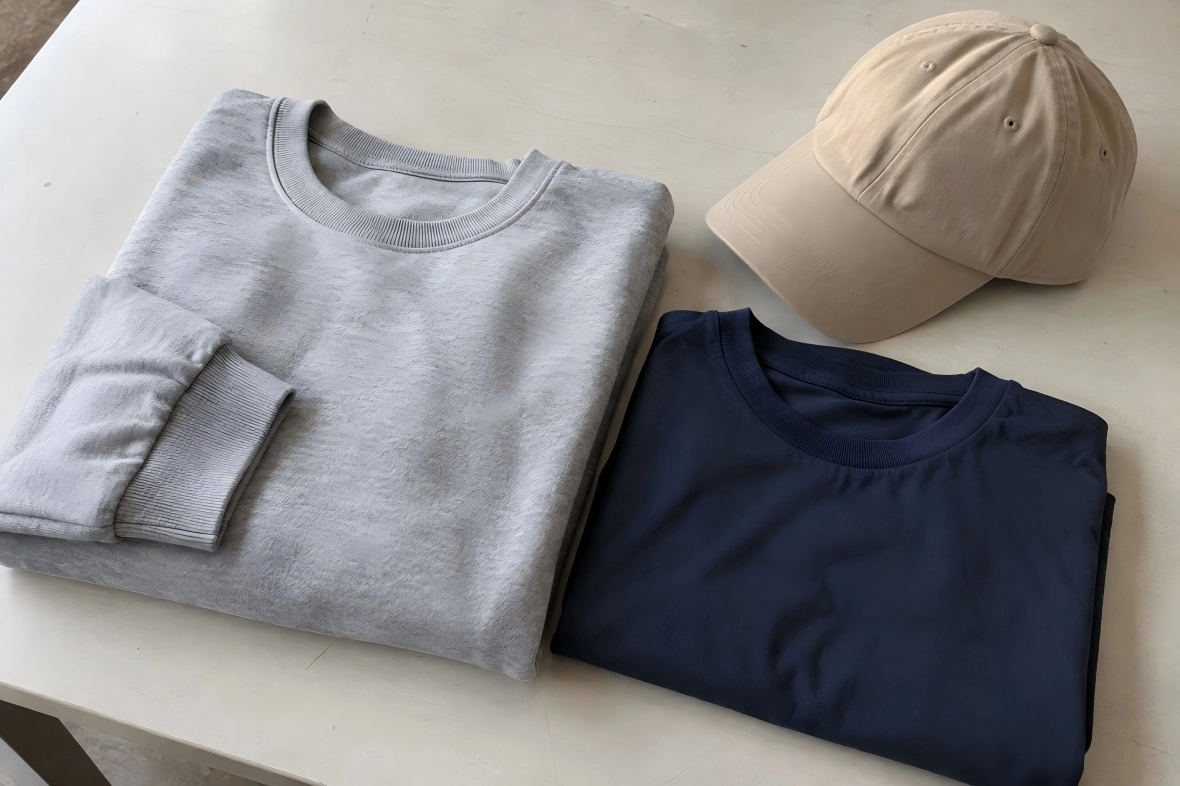
US Brand Case: From Reference Photos to a First Order of 3,000 Pieces
A US customer came to SFC with photos taken in local stores, their own print artwork and a brand logo. They wanted to develop five styles across T-shirts, sweatshirts, swimwear, beach shorts and hats.
There were no physical reference samples or confirmed size charts. SFC worked with the factories to develop the products using their existing measurement charts and garment patterns similar to the customer’s reference photos. The customer then made small measurement adjustments to suit the brand’s target market.
The products used blends containing recycled polyester (RPET), with the fabrics selected for each product’s intended use.
One challenge was a complex print supplied only as an image. The factory could not use the file directly, and the customer had no suitable source file. SFC used AI tools to help prepare the artwork for print production.
The first samples were completed in under two weeks. After receiving them, the customer requested minor adjustments. Once these were confirmed, the order moved into bulk production without a second sampling round. Bulk production took less than one month.
The full process, from the first contact to the first shipment, took about three months. This included early discussions, design confirmation, sample shipping and waiting for customer feedback. The first order totalled 3,000 pieces across the five styles.
The customer provided ideas and approvals, while SFC managed development and production coordination. These timings reflect this specific project; other orders depend on their product and supply requirements.
5. Follow Bulk Production Against the Approved Requirements
After sample approval, SFC continues to follow up on material preparation, production progress and any issues that need attention.
If a supplier proposes changing a fabric, trim or production method, the differences and their effects on the product, cost and timing should be explained before the brand approves the change. Projects using specified organic or recycled materials also require follow-up on material requirements and related documentation.
Quality checks are arranged at the agreed stages and against the agreed requirements. Before shipment, checks also cover garments, quantities, labels, packaging and carton packing. If issues are found, SFC coordinates corrective action and reports the results.
For a closer look at inspection stages and checks, read our guide to clothing quality control in China.
You do not need to chase the fabric supplier and garment factory separately. SFC keeps you informed and brings key decisions to you.
European Brand Case: Finding an Organic Cotton Option for a Small Order
A European customer wanted to develop children’s hats, tops and sweatshirts. They also started with reference photos, their own artwork and a brand logo, without physical sample garments.
The project required 100% organic cotton fabric, but the small order size made the fabric’s minimum order requirement a challenge.
Through its existing supplier network, SFC found an organic cotton fabric option suitable for the order and coordinated materials, measurements and sample development. GOTS-related documentation was also part of the material sourcing discussions.
The customer made small measurement adjustments to suit the brand’s target market. SFC handled the production communication.
This project shows what sustainable apparel sourcing involves in practice: matching the material requirements with the order quantity, product needs and production conditions.
6. You Make the Key Decisions. SFC Moves the Project Forward
Working with SFC allows you to focus on your products and market.
| Your Role | SFC’s Role |
|---|---|
| Share product ideas, references and brand artwork | Organise development requirements and coordinate suppliers and materials |
| Confirm budget, quantities and material direction | Compare quotations, minimum order requirements and workable options |
| Review samples and provide feedback | Follow up on sampling, production files and agreed changes |
| Approve major changes and shipment arrangements | Follow production, quality issues and shipment preparation |
Planning your own apparel products? Contact SFC with your reference photos or designs, brand artwork, estimated quantities and timeline. If you want to use organic cotton or recycled materials, let us know. We will help develop the details and move the project through sampling and production.
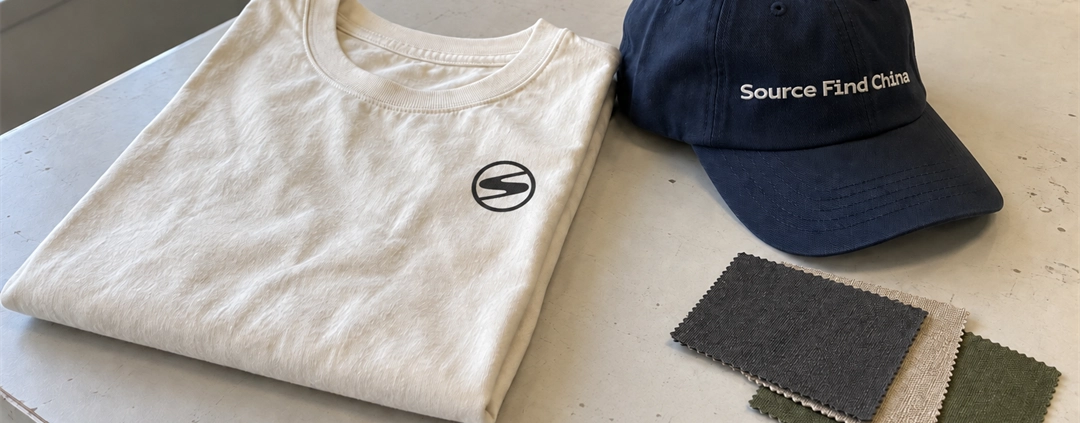
Finding a supplier is only the beginning of sourcing in China. Quotations need checking, samples need approval, changes need follow-up, and production and shipment issues need attention.
Working with a local sourcing office can reduce the time your brand spends on these daily tasks, leaving more time for products and your market.
Source Find China (SFC) helps brands coordinate suppliers, sampling and production. You set the direction and approve key decisions. SFC turns your requirements into clear instructions for suppliers and follows up on the work.
1. What Does Working with a Sourcing Office in China Mean?
A sourcing office is a local team that coordinates suppliers, sampling and production for a brand. It may be an in-house team or an external service provider. Buying office is a related term, often used for a team focused on purchasing.
Working with SFC allows you to arrange support around your project without first renting an office or hiring purchasing staff in China.
If you only have reference photos or an initial design, SFC can help develop the requirements and coordinate materials and suppliers. If your product specifications are already clear, we can discuss support for the stages where you need help.
The scope depends on your project. The aim is to have a team that understands your requirements and follows through, reducing the need for you to repeat instructions or chase each supplier.
2. What Can SFC Handle for Your Brand?
Sourcing decisions are connected. Material choices can affect minimum order quantities. Sample changes can affect prices. Production changes can affect delivery dates.
You need clear information about these effects before making a decision.
| Project Stage | SFC’s Work Within the Agreed Scope | Your Main Decisions |
|---|---|---|
| Requirements | Organise product, material and development requirements using the information available | Product direction, budget, quantities and target timeline |
| Suppliers and quotations | Coordinate suppliers and compare specifications, minimum order requirements and what each quotation includes | Approve the sourcing plan |
| Sampling | Follow up on samples, organise feedback and coordinate revisions | Approve appearance, measurements, performance and requested changes |
| Bulk production | Follow material preparation, production progress and issue resolution | Approve significant changes affecting the product, cost or delivery date |
| Shipment preparation | Coordinate agreed quality checks and check quantities, packaging and shipping information | Approve corrective action and shipment arrangements |
For example, if you ask to change the size of a printed design, SFC checks the production requirements with the supplier, clarifies any effect on cost or timing, and follows up on the revision.
You focus on the product result and the choices that need your approval. SFC handles the detailed factory communication.
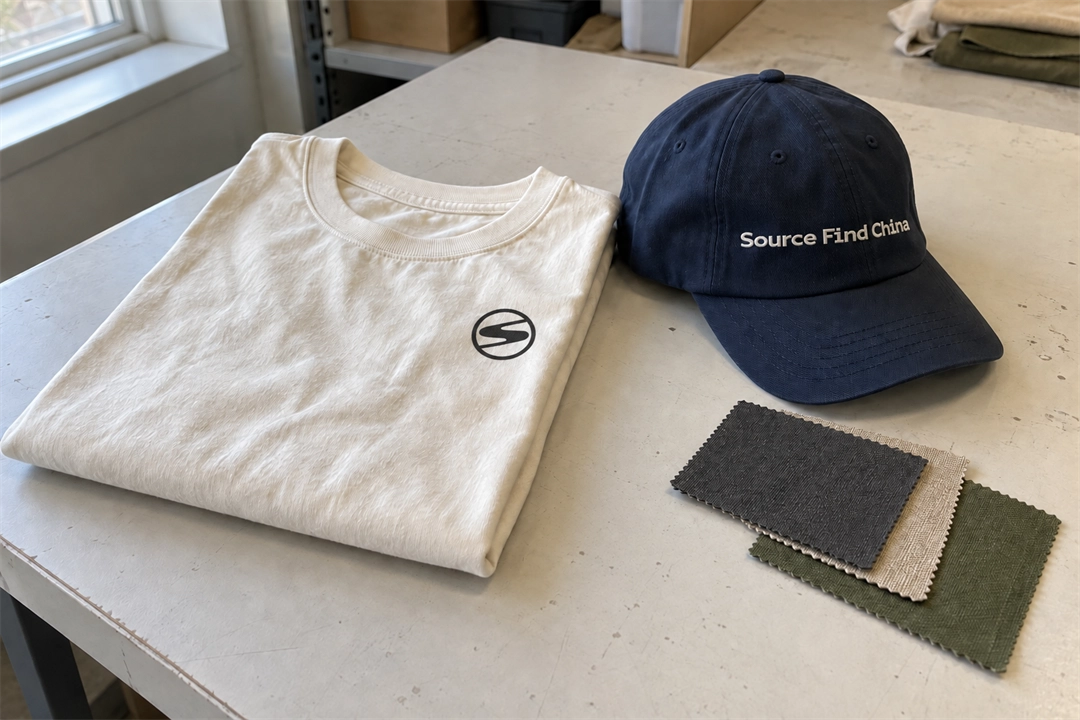
3. You Keep Control of Key Decisions. SFC Follows Up on Execution.
Reducing your workload starts with agreeing on what SFC can handle day to day and what requires your approval.
SFC can follow up on progress, explain approved requirements and organise sample feedback. Proposed changes to materials, product appearance or performance, costs or delivery dates need to be explained before approval.
For example, if the original fabric cannot be supplied in time and the supplier proposes an alternative, you need to know:
- How it differs from the approved fabric;
- Whether it affects feel, appearance or performance;
- How it changes the price or delivery date;
- Whether another sample or updated documentation is needed.
SFC gathers the information, presents workable options and follows up on the decision you approve.
Before work starts, we should also agree on the main point of contact and how progress will be shared. Updates should make clear what has been completed, what remains unresolved and what needs your decision.
4. When Is External Sourcing Support Useful?
The right arrangement depends on your workload and the capabilities of your existing team.
If your products and suppliers are established and your team can manage orders effectively, direct supplier management may be sufficient. If you regularly develop new products or need to coordinate materials, factories and shipment arrangements, a local team can take on more of the daily work.
| Sourcing Situation | An Arrangement to Consider |
|---|---|
| Stable products and suppliers, with enough in-house time and experience | Manage suppliers directly |
| Regular product development requiring frequent sample and production follow-up | Use a local team for daily coordination |
| An existing purchasing team that needs support in China | Keep decisions in-house and use local support for execution |
| A large, ongoing purchasing workload requiring dedicated staff | Assess an in-house team or a combination of internal and external support |
When comparing costs, consider recruitment, management, travel and time spent on communication, alongside external service fees.
The aim is to choose an arrangement that fits your sourcing needs and makes responsibility for each task clear.
5. Agree on the Service Scope and Fees Before Starting
Finding suppliers requires a different level of work from managing a project through development and shipment. The quotation should reflect the work involved.
When discussing a project with SFC, explain its current status and clarify:
- Where support starts and ends;
- Whether sample revisions, quality inspections and shipment coordination are included;
- How sampling, testing, travel and shipping costs are charged;
- How fees may change if the product requirements or project scope change.
Product costs, service fees and other project expenses should be clearly explained so you understand what is included.
If you need specified materials, third-party testing or supporting documentation, raise these requirements early. SFC can then coordinate with suppliers to check feasibility and plan the work.
6. Start with What You Have
To begin the discussion, you can share:
- Your product idea, reference photos, drawings or existing samples;
- Estimated quantities, budget and target shipment date;
- Work already completed and any current problems;
- The stages where you would like SFC’s support.
Your information does not need to be complete before the first discussion. SFC can help organise the development requirements, identify the decisions needed and plan the next steps.
Looking for sourcing support in China?
Tell SFC about your product and where your project stands. You make the key decisions. SFC helps coordinate suppliers, sampling and production, giving you more time to focus on your products and market.