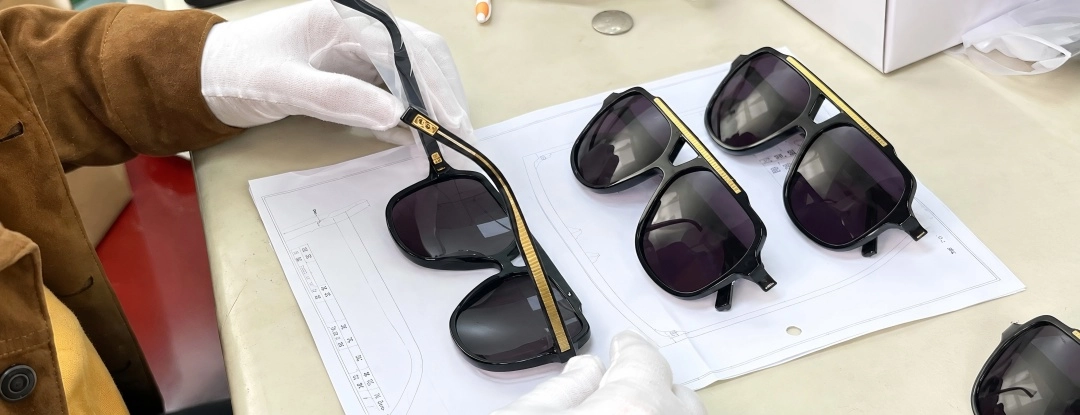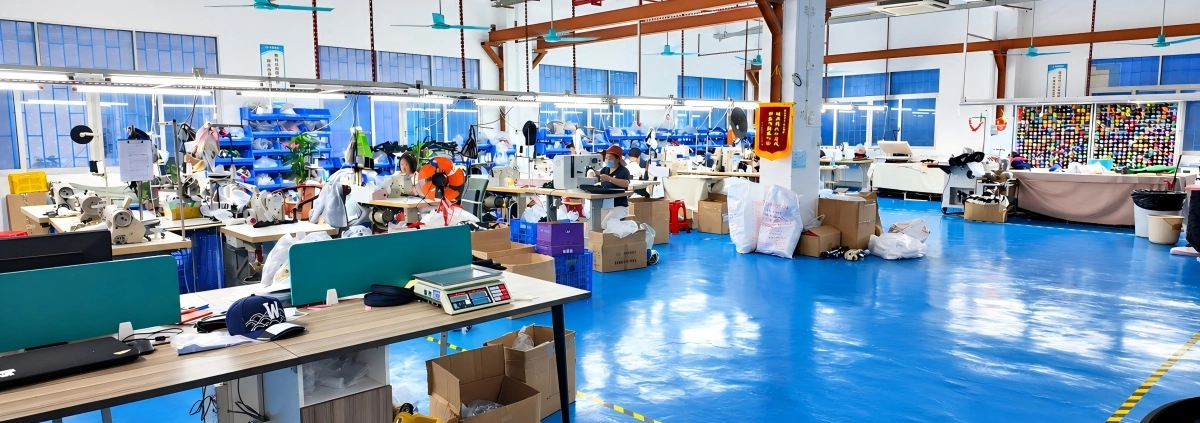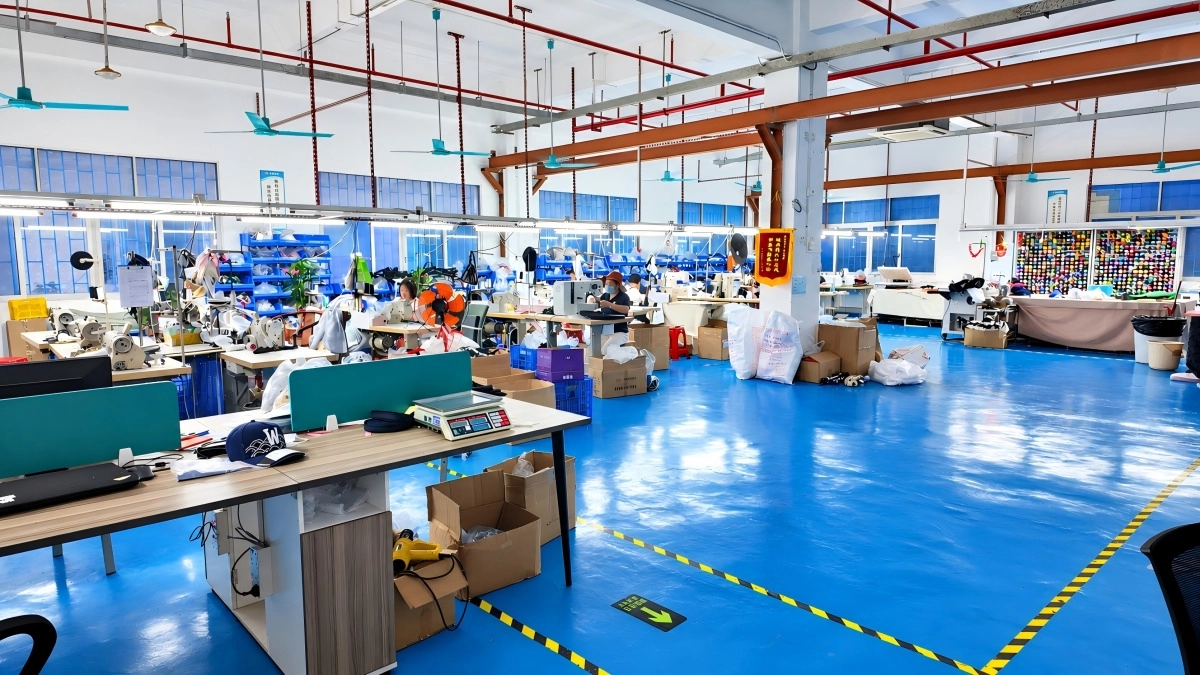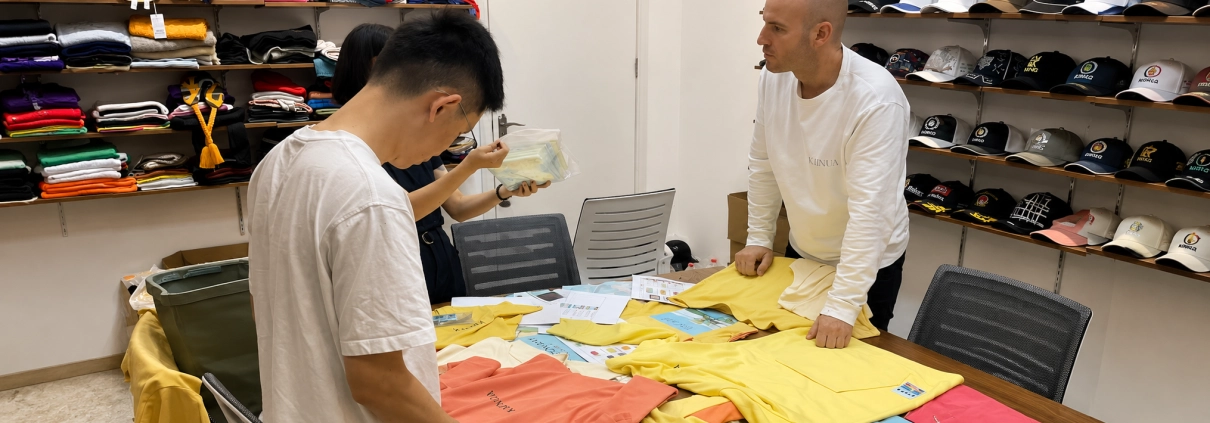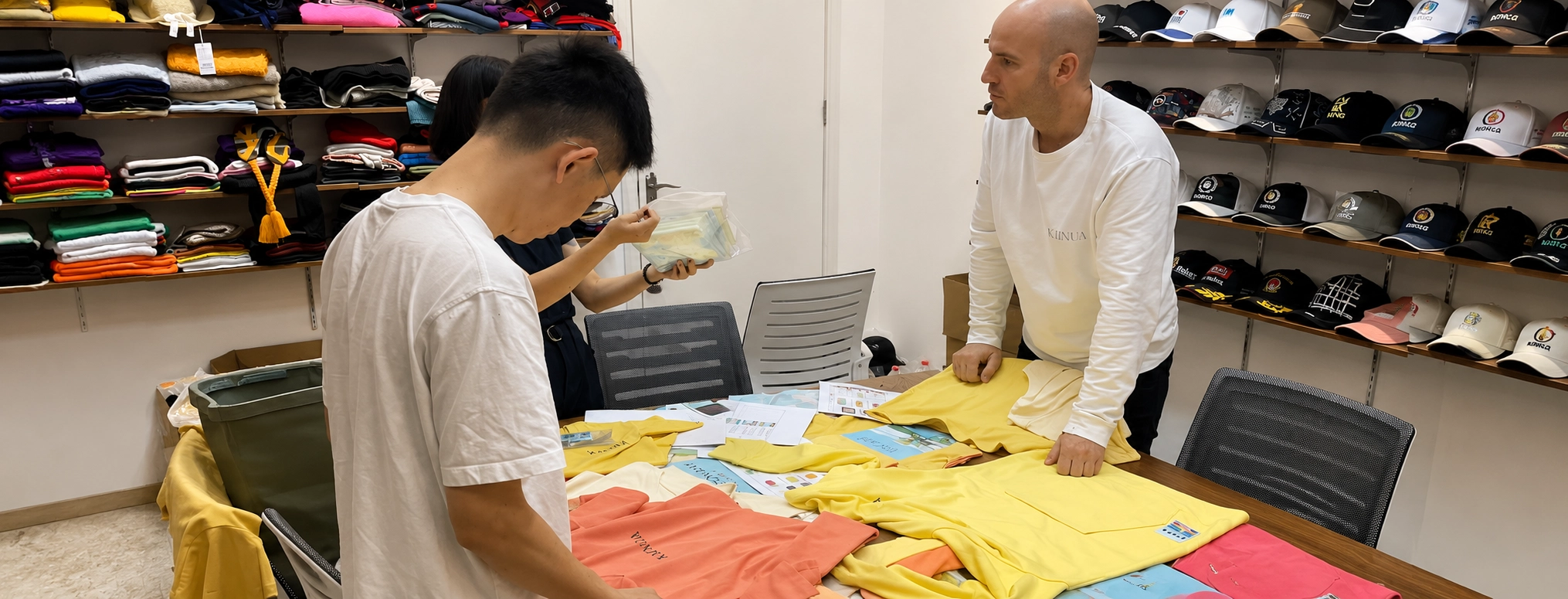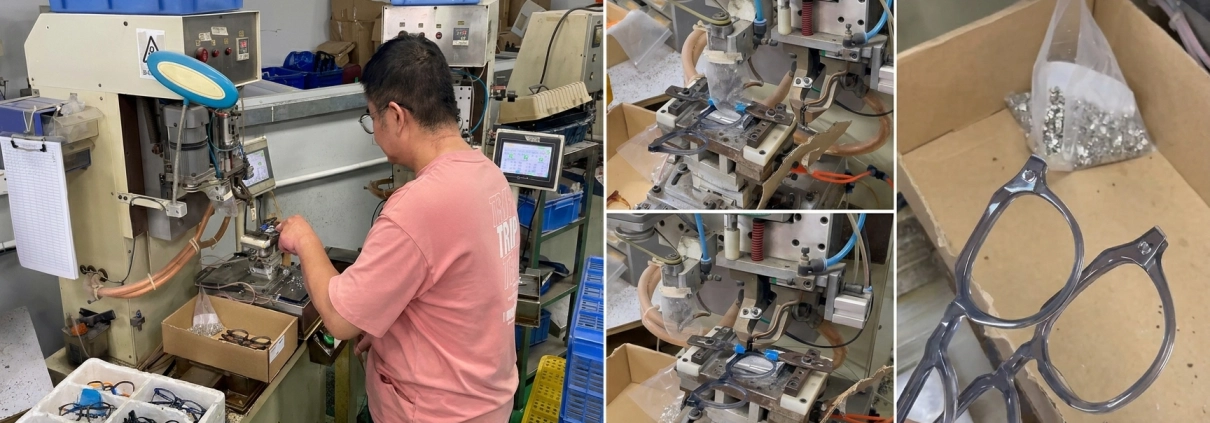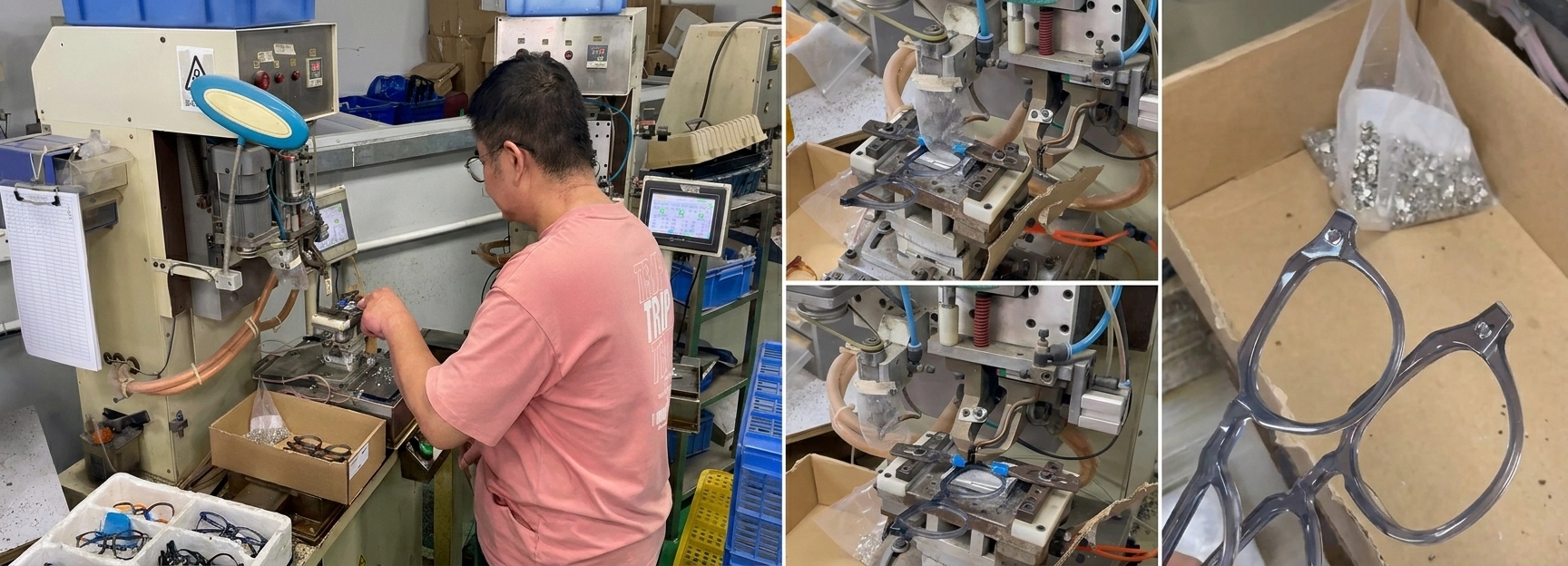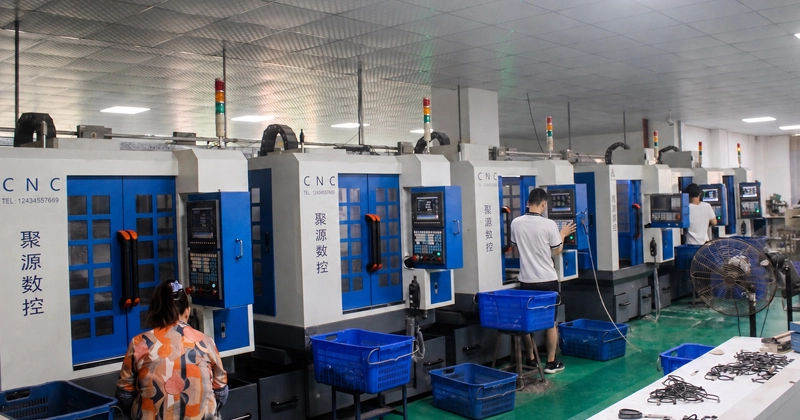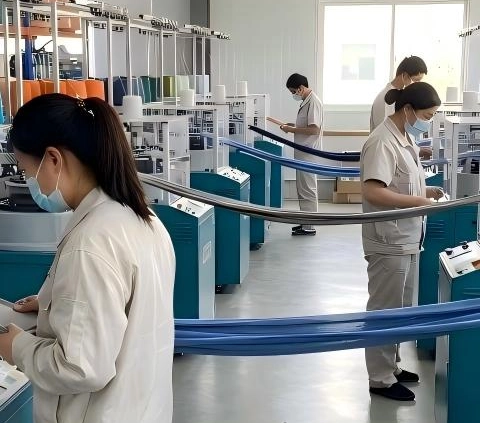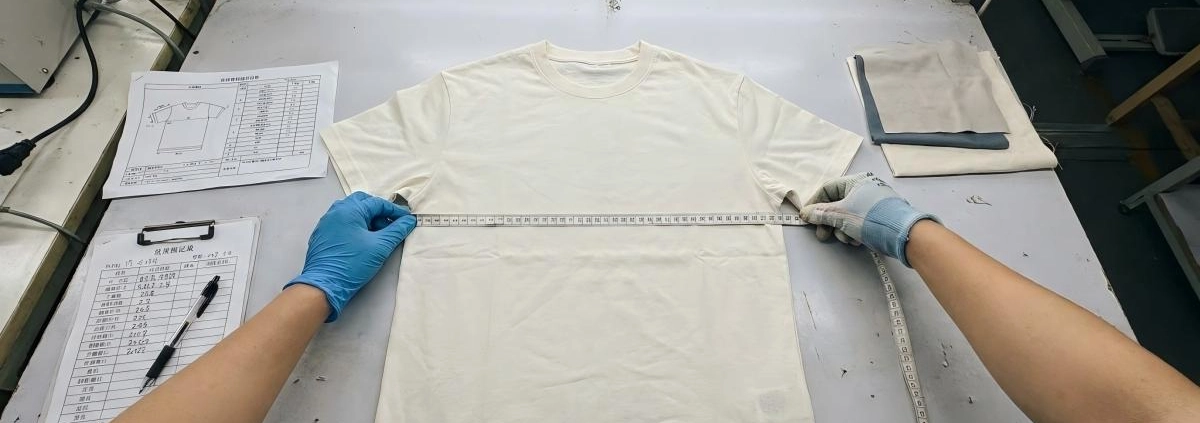
When a clothing order is finished, buyers need to check more than the quantity. Measurements, workmanship, fabric, branding and packaging must also meet the agreed requirements.
If problems are only found after the goods reach the brand’s destination, resolving them may involve reinspection and sorting, return shipment for rework, or remaking the goods. These steps can delay the product launch. Clothing quality control in China should therefore address a practical question: which problems can be found early, and which need to be checked on finished or packed goods?
Checking at the right stages, with an agreed process for handling failures, is more useful than simply obtaining an inspection report at the end of an order.
Quality planning starts with choosing the right clothing manufacturer in China.
What to Check Before Shipment?
1. Set clear standards before production
“Good quality” and “correct color” are difficult instructions to inspect against. Before production, the buyer and supplier should record the requirements in the latest specifications and approved garment sample.
These should cover:
- Fabric composition, fabric weight in grams per square meter (GSM), and color references.
- The measurement specification, points of measure (POMs), measurement methods and tolerances.
- Construction details and key workmanship requirements.
- Print, embroidery and logo artwork.
- Zippers, buttons and other trims.
- Labeling, packaging and carton packing requirements.
- Required tests and their acceptance criteria.
If development samples used temporary fabric or trims, identify which details have been replaced by the final production specifications. Otherwise, the buyer, factory and inspector may be working from different references.
2. Plan the checks for each production stage
The inspection plan should reflect the product risks, experience with the factory and order requirements. The main checks at each stage may include:
| Stage | Main checks | Action if problems are found |
|---|---|---|
| Before cutting | Bulk fabric, color, visible defects and agreed tests | Isolate affected material and agree on replacement or other action |
| Early or during production | Measurements, stitching, print placement and recurring defects | Adjust the process and check goods already made |
| Before shipment | Finished garments, size assortment, labels, packaging and carton contents | Address nonconformities as agreed and verify the results |
Early checks do not replace final inspection. They help identify some problems while fewer goods are affected.
3. Resolve fabric issues before cutting where possible
Once incorrect fabric has been cut, the issue may affect an entire batch of cut garment panels. This makes bulk fabric an important early checkpoint.
Checks may cover color, hand feel, fabric weight, surface defects and consistency between rolls or batches. Compare color with the approved physical reference under agreed viewing conditions to reduce differences caused by lighting.
Fabric composition, shrinkage and functional performance need suitable verification methods. They cannot be confirmed by touch or appearance alone. The production plan should state which tests are required, who will arrange them and when results are due.
Identify and isolate affected material so it is not used while a decision is pending.
4. Use during-production inspection to catch recurring problems
During-production inspection helps identify whether the same deviation is being repeated on the production line.
For example, an order contains 1,000 garments. After about 250 are completed, a check finds that the logo placement is outside the agreed tolerance. The factory needs to correct the remaining production and check the garments already made to establish how many are affected.
Other recurring problems may include skipped stitches along the same seam, one size consistently measuring too small, repeated print misplacement or problems with zipper installation.
Photos alone are not enough. Record the corrective action, the person responsible and the follow-up results to confirm that subsequent garments meet the requirements.
5. Cover the size range and use consistent measurement methods
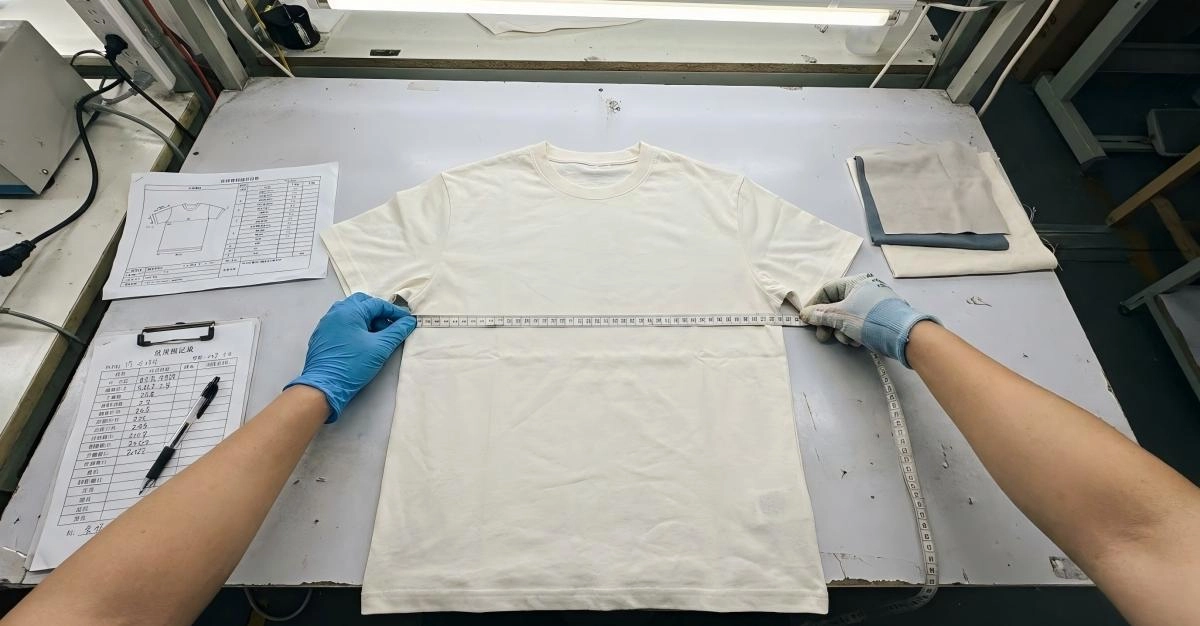
Use the same measurement specification and clearly defined points of measure. Measuring a garment flat, stretched or from different points can produce different results.
Common T-shirt measurements include chest width, body length, shoulder width and sleeve length. Pants may require waist and hip measurements, inseam length and leg opening. Follow the product specification for the exact measurement points and methods.
Select samples across sizes, colors or carton locations according to the agreed plan. One medium-size garment cannot represent the whole order.
Agree on a tolerance for each measurement point. Different dimensions affect fit differently, so a single unconfirmed tolerance should not be applied to every measurement.
6. Assess both defect severity and recurring issues
Workmanship checks may cover seams, skipped stitches, open seams, stains, damage, and the operation of zippers and buttons.
When assessing a problem, consider:
- Its effect on use, appearance or saleability.
- Whether the same defect keeps appearing.
- Which products may be affected.
Recurring defects can help locate a production problem, but a serious defect on a single garment also needs attention. Agree on defect classifications and handling requirements in advance.
For logos, prints and embroidery, check the artwork revision, dimensions, placement, color and orientation. Visual inspection can identify some appearance issues. Wash durability, print adhesion and other performance requirements should be verified through the agreed tests.
7. Check the evidence behind material claims
If an order involves recycled, organic or other specific material claims, document review should form part of the project requirements.
Check which supplier, material and product scope the documents cover, and how they relate to the order. The documents required depend on the scheme used and the customer’s requirements.
A garment that looks correct does not prove a material claim. A supplier document does not automatically cover the current order either.
Review the evidence early to avoid discovering missing information just before shipment.
For material sourcing options, explore our sustainable fabrics and materials.
8. Include packaging and carton checks before shipment
Alongside the garments, final inspection should check:
- Size labels, care labels and hangtags.
- Barcodes and the products they identify.
- Packaging bags, size stickers and folding methods.
- Quantity per carton and color and size assortments.
- Carton markings and packing information.
For example, a garment may have the correct size label while its packaging bag carries the wrong size sticker. This can still cause sorting or receiving problems.
Before inspection, confirm how much production and packing is actually complete. The report should identify the goods available for inspection, so a check of part of the finished order is not mistaken for verification of the whole lot.
9. Understand what the sampling inspection covers
Acceptance sampling uses a sample to decide whether a lot meets the agreed acceptance criteria. It does not mean every garment has been inspected.
Before inspection, define the lot size, sampling plan, inspection items, defect classifications and acceptance rules. If using an AQL-based sampling plan, agree on the relevant parameters, including the inspection level and AQL values. AQL stands for acceptance quality limit; saying only “inspect to AQL” is not a complete instruction.
The defects found in the sample are not the exact total for the whole order. Further checks may be needed to establish the extent of a problem.
Even with 100% inspection, define what will be checked on each garment. Checking every garment visually does not mean every garment undergoes all performance tests.
10. Define corrective action and reinspection after a failure
When inspection finds problems, follow a clear process:
- Record the issue: Identify the style number, color, size, location and supporting evidence.
- Establish the extent: Check the affected cartons, batches or production stages.
- Agree on action: Define rework, sorting, replacement or another practical solution.
- Assess the impact: Record costs, completion dates and delivery changes.
- Verify the result: Arrange reinspection based on the issue and keep the results.
- Authorize shipment in writing: The agreed authorized party confirms whether the goods can ship.
If the brand accepts a deviation, record the details, applicable quantity and conditions. Acceptance for one order should not automatically become the standard for future orders.
A factory’s statement that an issue has been corrected should be supported by a follow-up inspection record.
11. Define the scope of SFC support and inspection services
When planning a clothing order, share the style information, measurement specifications, material requirements, approved sample details, order quantity and delivery schedule with SFC. Discuss which quality management stages need to be covered.
The project should identify who will organize specifications, follow up on production, carry out inspections, coordinate rework and authorize shipment.
SFC works as a third-party supply chain management team in China for overseas brands.
Inspection services and sourcing coordination can work together. When choosing support, focus on the actual scope, report content and responsibility for resolving problems.
Planning a clothing order in China? Send SFC your product specifications and production schedule to discuss inspection stages, the scope of checks and how quality issues will be handled.